How I Stopped Budgeting Blindly and Started Thinking Like an Investor
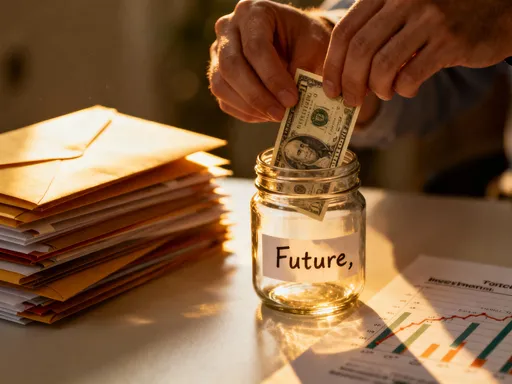
What if your budget wasn’t just about cutting coffee runs—but actually building wealth? I used to track every dollar like a prison guard, yet still felt broke. Then I shifted my mindset. Budgeting stopped being a punishment and became a strategy. This is how I learned to plan my finances not just to survive, but to grow—blending everyday budgeting with real investment thinking, all without risky bets or get-rich-quick schemes. The transformation didn’t happen overnight, but it began with a single realization: money isn’t meant to be controlled out of fear. It’s meant to be directed with purpose. When I stopped seeing my budget as a list of restrictions and started treating it as a blueprint for long-term financial health, everything changed.
The Budgeting Trap Most People Never Escape
For years, I believed that a good budget meant saying no—to dinners out, to new clothes, to anything that wasn’t strictly necessary. I created spreadsheets with military precision, color-coding every expense, and patrolling my bank account like a detective hunting for clues. Yet, despite my discipline, I still felt financially unstable. One unexpected car repair or medical bill would send me spiraling into credit card debt. The reason? I was focusing only on cutting costs, not on building financial strength.
This is the trap so many fall into: treating budgeting as a temporary diet rather than a sustainable lifestyle. Just as extreme diets often lead to rebound weight gain, extreme budgeting often leads to financial burnout. People slash their spending to the bone, feel deprived, and eventually abandon their budgets altogether. The cycle repeats—tighten, snap, repeat—leaving them further from their goals than when they started. The core issue isn’t a lack of willpower; it’s a lack of vision. Without a clear financial destination, even the most detailed budget lacks direction.
True financial control doesn’t come from restriction alone. It comes from intention. When I finally asked myself not just “Can I afford this?” but “What do I want my money to do for me in 5 or 10 years?”, the answers began to shift. I realized that my budget wasn’t just a tool for managing expenses—it could be a roadmap for building wealth. This mental shift was the first real step toward lasting financial progress. Instead of focusing on what I was giving up, I began focusing on what I was building toward.
From Saving to Strategic Allocation: Reframing Your Money Flow
One of the most powerful changes I made was redefining how I thought about my income. I stopped seeing my paycheck as something to be divided into “needs” and “wants” and started viewing each dollar as a resource with a specific role. This is the essence of strategic allocation: assigning money not just to categories, but to purposes that support long-term financial health.
I began to treat my money like a team. Some dollars were assigned to defense—building and maintaining an emergency fund that could cover three to six months of living expenses. These dollars didn’t grow much, but they provided stability, like a strong foundation under a house. Other dollars were assigned to growth—automatically routed into low-cost index funds or retirement accounts. These were my forward players, working over time to increase my net worth through compound returns. Then there were the operational dollars—covering groceries, utilities, transportation, and a reasonable amount of personal spending. These kept daily life running smoothly without guilt or anxiety.
The key difference was mindset. Instead of asking, “Do I really need this latte?” I began asking, “Is this the best use of this dollar right now?” That small shift transformed my relationship with money. I stopped feeling like I was being punished for spending and started feeling like I was making deliberate choices. I also stopped viewing saving as the end goal. Saving is important, but it’s only one part of the equation. The real goal is wealth-building, and that requires not just setting money aside, but deploying it wisely.
This approach also made it easier to stick with my budget. When I knew that every dollar had a job—whether protecting me from emergencies or growing my future—I didn’t feel tempted to redirect funds impulsively. I had a system, not just a set of rules. And because the system was designed to support my long-term goals, it felt sustainable, not restrictive.
The Investor Mindset Hiding in Plain Sight
For a long time, I thought investing was something only wealthy people with financial advisors did. It involved complex charts, risky bets, and knowledge I didn’t have. But then I realized something surprising: I already had the core skills of an investor. I just wasn’t calling them that.
Consider this: when I waited to buy a new pair of shoes until they went on sale, I was practicing patience and value assessment—two fundamental investing principles. When I compared brands and chose a more durable appliance over a cheaper one, I was thinking about long-term value, not just upfront cost. That’s value investing. When I avoided impulse buys and stuck to my grocery list, I was exercising discipline and avoiding emotional decision-making—skills every successful investor needs.
The investor mindset isn’t about picking stocks or timing the market. It’s about consistency, delayed gratification, and making decisions based on long-term outcomes rather than short-term emotions. These are behaviors I had already developed through budgeting. The breakthrough came when I began applying them beyond my monthly expenses and into my savings and investments.
For example, instead of seeing my emergency fund as “money I can’t use,” I started seeing it as a risk management tool—one that allowed me to invest with confidence, knowing I wouldn’t need to sell assets in a downturn. That’s a classic investor strategy: separating short-term liquidity needs from long-term growth goals. By recognizing that my everyday financial habits were already aligned with investor principles, I gained the confidence to take the next step: putting my money to work in the market.
Building Your Financial Foundation Before the Market
My first attempt at investing ended in disappointment. I opened a brokerage account, put in a few hundred dollars, and bought a stock I’d heard was “going up.” A few months later, the price dropped. Panicked, I sold—locking in a loss. What I didn’t realize at the time was that I wasn’t ready to invest. My budget was still shaky, I didn’t have an emergency fund, and I needed that money for car repairs just weeks after selling. I had skipped the foundation and gone straight to the roof.
This is a common mistake. Many people think investing means buying stocks, but true investing starts with financial stability. Without a solid base, any market movement can feel like a crisis. That’s why the first step isn’t picking funds or studying charts—it’s building a budget that supports investment, not competes with it.
I rebuilt my financial foundation in stages. First, I committed to saving $500 as a starter emergency fund. It wasn’t much, but it covered small surprises without derailing my plans. Once that was in place, I focused on paying down high-interest credit card debt. Every dollar freed from interest payments became a dollar I could redirect toward growth. Then, I increased my emergency fund to cover three months of essential expenses, stored in a high-yield savings account—safe, accessible, and earning a modest return.
Only after these pieces were in place did I begin investing in low-cost index funds through a retirement account. The difference this time was peace of mind. I knew that if the market dipped, I wouldn’t need to touch my investments. I had buffers in place. My budget wasn’t just managing my income—it was protecting my investments. This is the hidden truth: a good budget doesn’t prevent investing; it enables it. When your daily finances are stable, you can afford to think long-term.
Balancing Growth and Safety Without Guesswork
Once I started investing, I faced a new challenge: how much risk was enough? I didn’t want to miss out on growth, but I also didn’t want to lose sleep over market swings. My early approach was unbalanced—either I kept everything in savings, where it earned almost nothing, or I went all-in on a single stock, hoping for a big win. Neither strategy worked.
The solution came when I adopted a more balanced approach, similar to a diversified investment portfolio. I learned that financial health, like physical health, requires variety. Just as a diet needs protein, vegetables, and carbohydrates, a financial plan needs growth, stability, and liquidity.
I structured my money accordingly. About 50% of my after-tax income went toward essential expenses and debt repayment—keeping my life running smoothly. Another 20% went to savings and emergency reserves—my financial safety net. Then, 15% was allocated to long-term investments, primarily in low-cost, diversified index funds that historically have delivered steady returns over time. The remaining 15% allowed for personal spending, travel, and gifts—ensuring I didn’t feel deprived.
This allocation wasn’t arbitrary. It reflected my life stage, risk tolerance, and financial goals. As my income grew, I adjusted the percentages—increasing investments while maintaining my safety margins. The key was consistency, not perfection. I didn’t try to time the market or chase hot trends. Instead, I invested the same amount each month, a strategy known as dollar-cost averaging, which reduces the impact of market volatility.
Over time, this balanced system reduced my anxiety and improved my results. I wasn’t trying to get rich quickly. I was building wealth slowly, steadily, and sustainably. And because my budget supported this approach, I never had to choose between paying bills and investing. Both happened automatically.
Practical Habits That Bridge Budgeting and Investing
Mindset shifts are powerful, but they don’t last without systems. I learned this the hard way—excited by new ideas one month, then falling back into old habits the next. The real change came when I built simple, repeatable routines that made good financial behavior automatic.
The most effective habit I adopted was paycheck splitting. As soon as I got paid, a portion of my income was automatically transferred to different accounts: one for bills, one for savings, one for investments, and one for spending. I never saw the full amount in my checking account, which eliminated the temptation to spend it all. This “pay yourself first” approach ensured that saving and investing happened before anything else.
I also started scheduling quarterly money check-ins—dedicated time to review my budget, track progress on goals, and rebalance my investment allocations if needed. These weren’t long or complicated. Thirty minutes every three months was enough to stay on course. During these sessions, I’d ask myself: Are my expenses aligned with my values? Is my emergency fund still adequate? Am I on track with my retirement savings? These small reflections kept me accountable and prevented small issues from becoming big problems.
Another habit was automating my investments. I set up recurring transfers to my retirement account and brokerage fund, timed to happen right after payday. This removed emotion from the process. I didn’t have to decide each month whether to invest—I just did. Over time, these automatic contributions added up, thanks to compound growth. I wasn’t making bold moves; I was making consistent ones.
Finally, I stopped obsessing over daily fluctuations in my account balances. Instead, I focused on trends over time. I celebrated small wins—like funding a full emergency fund or hitting a retirement milestone—but I didn’t panic when the market dipped. I had built systems that worked whether I was paying close attention or not. That’s the power of practical habits: they create financial resilience, even on busy or stressful days.
Long-Term Gains Start with Today’s Choices
Looking back, the biggest obstacle to my financial progress wasn’t a lack of money—it was a lack of patience. I wanted fast results. I wanted to see my net worth double overnight. When it didn’t, I felt discouraged. But the truth is, real wealth isn’t built in a year. It’s built in thousands of small decisions, repeated over time.
The monthly $100 I invested in a low-cost index fund didn’t change my life in month one. But after five years, it had grown significantly, thanks to compound returns. The habit of reviewing my budget quarterly didn’t feel heroic, but it prevented costly mistakes. The decision to delay a purchase until I’d saved enough didn’t feel exciting, but it built discipline that served me in every area of life.
What I’ve learned is that patient budgeting is silent investing. Every dollar saved, every expense reviewed, every financial decision made with intention—it all adds up. You don’t need a six-figure income or a finance degree. You need a plan, a few good habits, and the willingness to stay the course.
Today, I no longer feel broke. Not because I earn more—though I do—but because I think differently. I see my budget not as a constraint, but as a tool for freedom. It allows me to spend with confidence, save with purpose, and invest with calm. The shift wasn’t about complex strategies or risky bets. It was about aligning my daily actions with my long-term goals. And that’s a strategy anyone can follow—one thoughtful dollar at a time.