How I Turned My Hobby Into a Smart Investment Without Losing a Dime
What if your weekend passion could actually make you money instead of costing you? I used to think hobbies were just expenses—until I discovered how to treat them like real investments. By reframing how I spend on what I love, I’ve not only cut losses but built value over time. This isn’t about get-rich-quick schemes; it’s about smarter choices that protect your cash while fueling your interests. Let me show you how.
The Hidden Cost of Hobbies — And Why Most People Lose Money
Hobbies are often celebrated as essential outlets for joy, creativity, and stress relief. Yet beneath the surface of that joyful weekend gardening, photography, or woodworking session lies a financial truth many overlook: hobbies can quietly erode savings. The average American spends between $1,500 and $3,000 annually on leisure activities, according to consumer spending surveys. While that may seem modest, the real danger isn’t the spending itself—it’s how little of that money ever comes back. Most hobby-related purchases depreciate rapidly the moment they leave the store, much like a new car losing value the second it’s driven off the lot.
Consider the photographer who buys a high-end camera body with excitement, only to upgrade within a year due to a newer model release. Or the woodworker who invests in specialty tools used just a few times before gathering dust in the garage. These aren’t isolated cases—they reflect a broader pattern of emotional spending disguised as self-improvement. When passion drives the purchase, logic often takes a backseat. People buy based on desire, not durability; impulse, not investment potential. The result? A collection of underused, overpriced items that rarely retain value and are difficult to resell at anything close to original cost.
Another common trap is the allure of exclusivity. Limited editions, rare collectibles, or niche accessories often carry premium price tags justified by scarcity. But scarcity doesn’t guarantee lasting value—only sustained demand does. A vintage guitar might appreciate over decades, but a limited-run board game may lose half its value within months if the trend fades. Without understanding market dynamics, even well-intentioned buyers end up holding assets that depreciate faster than expected. The emotional satisfaction is immediate, but the financial consequences linger.
Moreover, maintenance costs are frequently underestimated. Gardening isn’t just about buying seeds and tools—it includes soil amendments, irrigation systems, and seasonal replacements. Knitting involves more than yarn; there are pattern subscriptions, storage solutions, and specialized needles. These recurring expenses add up, turning what feels like an affordable pastime into a significant monthly outlay. What begins as a relaxing escape can slowly morph into a financial burden, especially when returns aren’t considered from the start. Awareness is the first step toward change. Once you recognize these hidden drains, you can begin to shift from passive consumption to strategic engagement.
Reframing Your Hobby as an Asset Class
Traditionally, financial advisors categorize assets into stocks, bonds, real estate, and cash. But there’s growing recognition that personal passions can also function as asset classes—if approached with intention. An asset, by definition, is anything that holds or increases in value over time. When you buy a camera not just to take pictures but because it’s a sought-after model with strong resale demand, you’re no longer just a consumer—you’re a curator. This subtle mindset shift transforms spending from loss to potential gain.
Not all hobby items qualify as assets, but many do when selected wisely. High-end musical instruments from reputable manufacturers, for example, often maintain or increase in value, particularly if well-maintained. A classic vinyl record collection, once seen as nostalgic clutter, can become a valuable portfolio piece as analog media sees renewed interest. Even skill-based investments—like earning a certification in drone piloting or completing a master class in food preservation—can yield long-term returns by opening doors to freelance work or teaching opportunities.
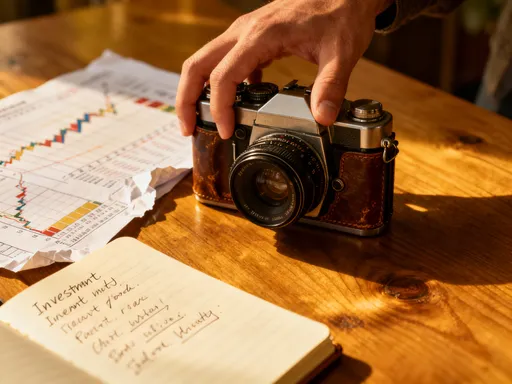
The key lies in research and timing. Take the resurgence of film photography. Over the past decade, demand for vintage film cameras like certain Leica or Nikon models has surged, driven by a blend of aesthetic appeal and digital fatigue. Buyers who recognized this trend early and invested in functional, desirable models have seen their purchases double or triple in value. Similarly, certain craft supplies—such as high-quality looms or pottery wheels from established brands—retain worth because they are built to last and remain in demand among serious practitioners.
Market trends matter, too. The rise of sustainability has increased interest in repairable, durable goods. Tools made by companies known for longevity—like Japanese chisels, German hand planes, or Swiss sewing machines—often command premium prices on resale platforms. These aren’t trendy items; they are functional heirlooms. By focusing on quality, scarcity, and enduring demand, hobbyists can build collections that appreciate rather than depreciate. The goal isn’t to turn every purchase into a profit center, but to ensure that passion spending aligns with value preservation. When you treat your hobby as a curated portfolio, each acquisition becomes a deliberate choice, not a fleeting impulse.
The Return-Guarantee Mindset: Protecting Your Passion Spending
In finance, a guaranteed return is rare. But in the world of hobby investing, a “return guarantee” doesn’t mean assured profits—it means building safeguards into every purchase so that you minimize loss and maximize recovery. This mindset starts with one simple rule: assume everything you buy will eventually be sold. Whether it’s a high-end blender for baking enthusiasts or a drone for aerial photography, plan for its exit strategy from day one. This doesn’t diminish enjoyment; it enhances responsibility.
One of the most effective ways to protect value is by preserving condition. Electronics, tools, and collectibles lose significant worth when they show signs of wear. A camera with scratched lenses or missing accessories might sell for 40% less than an identical model in pristine shape. Keeping original packaging, manuals, and warranty cards can make a dramatic difference. On resale platforms, listings that include all original components often attract higher bids and faster sales. Simple habits—like storing gear in climate-controlled spaces, using protective cases, and avoiding modifications—can preserve thousands in potential value over time.
Documentation also plays a crucial role. Maintaining a log of maintenance, upgrades, or usage hours adds credibility and transparency for future buyers. A gardener who keeps records of soil treatments, plant rotations, and irrigation system updates can command a higher price when selling their greenhouse setup. Similarly, a crafter who documents the materials used in handmade furniture can appeal to buyers looking for authenticity and quality assurance. These records serve as proof of care, which directly influences perceived value.
Tracking market trends is another pillar of the return-guarantee mindset. Prices for hobby goods fluctuate based on supply, demand, and technological shifts. Selling a DSLR camera just before the launch of a new model can yield a much better return than waiting six months into obsolescence. Subscribing to newsletters, joining online forums, or using price-tracking tools helps hobbyists stay informed. Knowledge becomes leverage—knowing when to hold, when to sell, and when to buy gives you control over your financial outcomes. With this approach, passion doesn’t have to come at the cost of prudence.
Smart Entry Points: Starting Your Hobby Without Overspending
Enthusiasm is a wonderful trait—but it’s also the enemy of financial caution. Many people dive headfirst into new hobbies, buying top-tier equipment before they even know if they’ll stick with the activity. The result? Expensive gear sits unused, becoming a silent reminder of abandoned intentions. A smarter path exists: start small, test thoroughly, and scale only when commitment is proven.
Renting or borrowing equipment before purchasing is one of the most effective ways to avoid overspending. Photography workshops often offer camera rentals, allowing beginners to try different models before committing. Community tool libraries let aspiring woodworkers access saws, sanders, and drills without buying them outright. Even online marketplaces now offer short-term rental options for everything from sewing machines to baking ovens. This low-risk approach lets you experience the real demands of a hobby—time, effort, learning curve—without locking in financial loss.
Secondhand markets are another powerful entry point. Platforms like eBay, Facebook Marketplace, and specialized forums host vast inventories of gently used hobby gear, often at 50% to 70% below retail prices. A beginner guitarist can find a quality acoustic instrument for under $200, while new players in gardening can acquire full toolkits, wheelbarrows, and even small greenhouses at a fraction of replacement cost. Buying used also allows for experimentation—if the hobby doesn’t resonate, reselling used gear is easier and less painful than returning new items with restocking fees.
Joining sharing communities or co-ops amplifies this advantage. Urban gardening collectives, craft cooperatives, and makerspaces provide shared access to expensive tools and materials. Members pay modest monthly fees for unlimited use of industrial-grade equipment, from laser cutters to kilns. These spaces also offer mentorship, reducing the learning curve and helping newcomers avoid costly mistakes. By starting slowly and leveraging shared resources, beginners protect their budgets while gaining confidence. Patience pays off—not in immediate gratification, but in long-term financial safety and smarter decision-making.
When to Upgrade — And When to Hold Back
Progress is motivating. There’s a natural desire to move from beginner to advanced, to own better tools, to achieve higher results. But in the realm of hobbies, constant upgrading often leads to financial leakage rather than growth. The difference between a wise upgrade and a wasteful one lies in purpose: does this new item significantly enhance your ability, or does it simply feed the desire for novelty?
Consider the home baker who upgrades from a hand mixer to a stand mixer. If they bake multiple times a week, the investment makes sense—it saves time, improves consistency, and may even support a small side business. But if baking happens only occasionally, the upgrade may sit idle, consuming counter space and value. The key is aligning purchases with actual usage, not aspirational identity. Many people buy gear they think they should use, not gear they actually will use.
Timing also matters. Electronics and digital tools are especially vulnerable to rapid depreciation. A new tablet designed for digital artists may lose 30% of its value within a year of release. Selling old devices just before a new model launches can lock in higher resale prices. Similarly, trading in camera lenses or audio equipment during peak demand seasons—such as back-to-school or holiday periods—can yield better returns. Monitoring product cycles and market demand gives you power over timing, turning upgrades into strategic financial moves rather than emotional reactions.
A decision framework can help separate need from want. Ask: Will this improve performance by at least 20%? Is my current tool limiting my progress? Can I rent or borrow it first? Does it have strong resale potential? Answering these questions objectively reduces the influence of marketing hype and peer pressure. Upgrading should feel like a calculated step forward, not a fleeting thrill. When done right, it preserves capital while enhancing capability.
Monetizing Passion: Turning Skills and Gear into Income Streams
A hobby doesn’t need to become a full-time business to generate financial returns. Even modest monetization can offset costs, create passive income, or build emergency funds. The goal isn’t to turn joy into labor, but to design small, sustainable loops where passion supports itself financially.
Renting out equipment is one of the simplest methods. High-cost items like drones, projectors, or professional-grade kitchen appliances can be listed on peer-to-peer rental platforms. A drone owner who flies weekly can rent it out during idle weeks, covering insurance and depreciation while earning extra income. Similarly, a sewing machine used seasonally for holiday gifts can generate monthly rental fees during peak crafting periods. These micro-transactions add up, often paying for maintenance, upgrades, or even the original purchase over time.
Teaching or mentoring is another low-effort avenue. Experienced hobbyists possess knowledge that beginners are willing to pay for. A gardener with a thriving backyard orchard can host seasonal workshops on pruning or composting. A knitter with intricate pattern skills can offer virtual classes or create downloadable guides. These services don’t require quitting a day job—they fit around existing routines and deepen community connections. Platforms like Skillshare, Udemy, or local community centers make it easy to reach audiences without marketing overhead.
Flipping underused items completes the cycle. Many hobbyists accumulate gear they no longer need. Instead of letting it gather dust, selling it at the right time recoups costs and funds future purchases. A photographer upgrading lenses can sell the old one at near-market value if done promptly. A woodworker replacing a sander can pass it on to a beginner at a fair price, creating goodwill and financial balance. This practice turns consumption into circulation, where every exit funds a new entry. Over time, these small gains compound, transforming a once-costly hobby into a self-sustaining ecosystem.
Building a Sustainable Hobby Portfolio: Long-Term Value Over Short-Term Thrills
The most successful hobby investors don’t focus on single wins—they build systems. Just as financial advisors recommend diversified portfolios to manage risk, passionate spenders can create balanced hobby portfolios that mix consumable costs with durable assets. Some expenses will always be losses—paint, yarn, seeds, batteries—but others can be investments. The goal is equilibrium: ensuring that the money flowing out is matched by value retained or returned.
Annual audits are a powerful tool. Set aside time each year to review every hobby-related purchase. Which items have held or increased in value? Which have depreciated quickly? What tools are used daily, and which sit untouched? This reflection informs future decisions, helping you prioritize quality over quantity, durability over trendiness. You might discover that investing in one high-end tool pays off more than buying three cheap alternatives that break within months.
Diversification within the hobby itself also helps. A gardener might balance annual plantings (consumables) with perennial crops, fruit trees, or a greenhouse (long-term assets). A crafter could pair disposable supplies with a durable loom or embroidery machine that retains value. This blend ensures that while some spending is inevitable, other elements grow in worth. Over time, the portfolio generates returns not just in cash, but in resilience, satisfaction, and independence.
Ultimately, the fusion of joy and financial wisdom isn’t a compromise—it’s an upgrade. Hobbies don’t have to drain your wallet to feed your soul. With awareness, strategy, and discipline, passion and prudence can coexist. You don’t need to become a financier to make smart choices. You just need to see your hobby not as an expense, but as a living, evolving part of your financial life—one that can give back as much as it takes. That’s not just smart spending. That’s sustainable joy.