How I Fixed My Balance Without Fancy Gear – Real Tips That Actually Work
You don’t need a gym membership or magic pills to improve your balance—just everyday awareness and small, smart moves. I used to wobble getting off the couch, but over time, simple habits transformed my stability. Turns out, balance isn’t just for athletes or older adults; it’s a core part of how your body moves and protects itself. This guide shares what really helped me, backed by science but lived through real life—no fluff, just practical body care you can start today.
Why Balance Matters More Than You Think
Beyond the ability to stand on one foot, balance is a foundational system that quietly supports nearly every movement you make. It’s not simply about staying upright—it’s how your body coordinates stability with motion, allowing you to walk, turn, reach, and even sit without overthinking. When balance functions well, it operates in the background like breathing or blinking. But when it weakens, even routine actions like stepping off a curb or bending to pick up a dropped item can become risky.
The truth is, poor balance increases the likelihood of falls, which remain a leading cause of injury among adults, especially as we age. But balance decline doesn’t happen overnight. It creeps in gradually, often masked by small adjustments—holding onto the counter a little longer, avoiding uneven sidewalks, or hesitating on stairs. These subtle changes are warning signs that the body’s stability systems are losing efficiency, even if you haven’t experienced a fall yet.
Balanced movement relies on a complex network involving three key systems: the inner ear (vestibular system), vision, and proprioception—the body’s sense of where it is in space. These systems constantly communicate with the brain to make micro-adjustments that keep you steady. For example, when you close your eyes and still manage to stand without swaying, that’s proprioception at work. When you turn your head while walking and don’t feel dizzy, your vestibular system is doing its job. When you navigate a dimly lit room, your eyes compensate for reduced sensory input.
When one of these systems weakens—due to age, inactivity, or minor health changes—the others must work harder to compensate. Over time, this imbalance can lead to instability. The good news is that balance is not fixed. Like muscle strength or flexibility, it can be improved at any age with consistent, mindful practice. And because it’s so deeply integrated into daily movement, enhancing balance doesn’t require dramatic lifestyle changes—just attention and intention.
My Wake-Up Call: When I Realized My Balance Was Off
My moment of realization came during a simple yoga class. We were asked to stand on one leg in a tree pose, a movement I had seen others do effortlessly. But when I lifted my foot, I wobbled violently, grabbed the wall, and nearly toppled over. I laughed it off at first, blaming slippery socks or the uneven floor. But it happened again the next week—and the week after. That’s when it hit me: this wasn’t about the room or my shoes. It was about me.
Shortly after, I noticed other signs. I stumbled more often on stairs, especially when carrying groceries. I felt unsteady rising from low chairs. Even standing in line at the grocery store, I found myself shifting weight from foot to foot just to stay centered. The frustration grew. I wasn’t elderly. I walked regularly. I ate well. Why was my body betraying me in such basic ways?
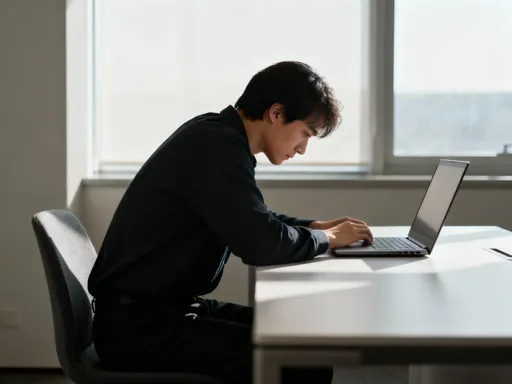
Looking back, several lifestyle factors had quietly eroded my stability. Years of sitting at a desk, often with poor posture, had weakened my core and tightened my hips. My shoes—comfortable sneakers with thick soles—protected my feet but dulled the sensory feedback from the ground. And my increasing screen time meant less time spent moving mindfully, more time in static positions. I wasn’t inactive, but my movement lacked variety and challenge.
That yoga class became my turning point. Instead of brushing it off, I decided to treat balance like any other aspect of health—something worth paying attention to and improving. I didn’t sign up for a balance boot camp or buy expensive equipment. I started small, focusing on awareness and consistency. What I discovered was surprising: even tiny changes, when done regularly, could make a real difference. My journey wasn’t about perfection—it was about progress, one steady step at a time.
The Science Behind Stability: How Your Body Stays Upright
Staying upright may seem automatic, but it’s actually the result of a sophisticated coordination system involving multiple parts of your body and brain. Think of balance as a team effort—your inner ear, eyes, and sensory nerves in your muscles and joints all send constant updates to your brain about your position in space. When these signals align, your body makes seamless adjustments to keep you steady. But when one input is off, the whole system can falter.
The vestibular system, located in your inner ear, detects motion and head position. It’s what helps you sense when you’re tilting or turning, even with your eyes closed. This system works like a biological gyroscope, providing real-time data about movement and orientation. If it’s disrupted—by fluid changes, minor infections, or age-related shifts—it can lead to dizziness or a sense of floating, even when standing still.
Your vision plays an equally critical role. Your eyes provide visual cues about your environment—where the floor is, how far you are from objects, whether the ground is level. Close your eyes while standing on one foot, and you’ll immediately feel less stable. That’s because you’ve removed a major source of feedback. In low-light conditions or cluttered spaces, visual confusion can also impair balance, especially if the other systems aren’t functioning optimally.
Then there’s proprioception—the body’s internal GPS. Receptors in your feet, ankles, knees, and hips send signals about joint position and muscle tension. This is how you can sense your foot placement without looking down. Walking barefoot on grass or sand enhances this feedback, while thick-soled shoes or carpeted floors can dull it. Over time, lack of varied sensory input can weaken this system, making your body less responsive to changes in terrain.
These three systems must work together in harmony. If one is compromised—say, due to fatigue, poor lighting, or stiff joints—the others must compensate. But the body can only adapt so much. When compensation fails, instability occurs. The encouraging part? These systems are trainable. Just as you can strengthen a muscle, you can retrain your balance pathways through regular, targeted practice. And because balance relies on neural connections, improvement often comes faster than expected with consistent effort.
Daily Habits That Build Better Balance (No Gym Required)
One of the most empowering discoveries in my balance journey was realizing that improvement didn’t require special equipment or hours of training. Instead, it came from weaving small, intentional movements into my daily routine. These habits took less than a minute each but, over time, built significant gains in stability. The key wasn’t intensity—it was consistency and mindfulness.
One of the first things I added was standing on one leg while brushing my teeth. At first, I could barely hold it for 10 seconds without grabbing the sink. But within a few weeks, I was balancing for the full two minutes, switching legs halfway through. This simple act engaged my ankle stabilizers, challenged my core, and sharpened my focus. Over time, I progressed by closing my eyes or doing it on a folded towel to create an uneven surface.
Another habit was heel-to-toe walking—also known as the tandem walk. I started by doing it down the hallway each morning, placing one foot directly in front of the other, heel to toe, like walking a tightrope. It felt awkward at first, but it forced me to engage my core, improve coordination, and focus on alignment. I made it a game: how many steps could I take without stepping off the imaginary line? This movement mimics real-life challenges, such as navigating narrow spaces or stepping over obstacles.
I also changed how I used the stairs. Instead of rushing up or down, I began climbing slowly, placing my entire foot on each step and rising with control. This reduced momentum and required more balance and muscle engagement. Over time, I noticed I felt more secure on escalators and uneven ground. Even waiting for the coffee to brew became an opportunity—standing with feet together, then narrowing my stance, then trying a single-leg stand for 15 seconds.
The power of these habits lies in their integration. You’re not adding exercise to your day—you’re enhancing what you already do. And because they’re brief and practical, they’re easy to stick with. The more you practice, the more your body learns to stabilize automatically. Balance stops being a challenge and starts becoming second nature.
Simple Exercises That Actually Make a Difference
While daily habits build awareness, targeted exercises accelerate progress by directly training the neuromuscular pathways responsible for stability. I focused on four science-backed movements that are easy to do at home, require no equipment, and can be modified for any fitness level. The goal wasn’t to push limits but to build control, coordination, and confidence.
The first was the tandem stance. I stood with one foot directly in front of the other, heel to toe, arms at my sides. Holding this for 30 seconds strengthened my ankle stabilizers and improved alignment. As I improved, I closed my eyes to remove visual input, forcing my body to rely more on proprioception. This was surprisingly challenging but highly effective.
Next was the single-leg stand. I lifted one foot a few inches off the ground, keeping my hips level and core engaged. I started with 15 seconds per leg and gradually increased to one minute. To make it harder, I tried it on a cushion or folded blanket, which introduced instability and further trained my balance system. I always kept a chair nearby for safety, especially when trying new variations.
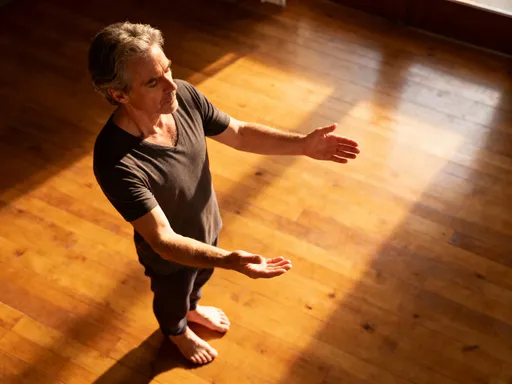
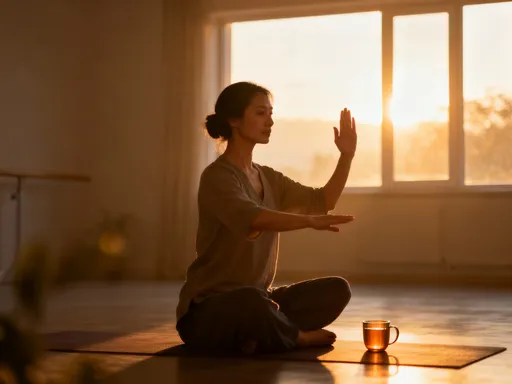
The clock reach was another favorite. I imagined standing in the center of a clock face, then slowly reached one arm toward different numbers—12, 3, 6, 9—while maintaining a stable stance. This challenged my balance in multiple directions and improved dynamic stability. It also helped me notice which directions felt weaker, allowing me to focus on those areas.
Finally, the sit-to-stand drill strengthened my legs and core while improving functional movement. I sat in a sturdy chair, crossed my arms, and stood up using only my leg muscles—no hand support. I repeated this 10 times, focusing on slow, controlled movement. This mimicked real-life actions like rising from a sofa or getting out of a car, making daily tasks easier and safer.
These exercises work because they train not just strength, but the brain-body connection. They improve reaction time, joint awareness, and postural control. And because they’re low-impact and scalable, they’re safe for most adults. The key is regular practice—just a few minutes a day can yield noticeable improvements within weeks.
Lifestyle Tweaks for Long-Term Stability
Beyond exercises and habits, long-term balance improvement depends on how you treat your body every day. Small lifestyle choices—what you wear, where you walk, how you sit—can either support or undermine your stability efforts. I made several adjustments that, over time, made a meaningful difference in how steady I felt.
One of the most impactful changes was switching to minimalist footwear at home. I started walking barefoot on safe, textured surfaces like hardwood, tile, or outdoor stone. This increased sensory input from the soles of my feet, sharpening proprioception. When I did wear shoes indoors, I chose ones with thin, flexible soles that allowed me to feel the ground better. Thick, cushioned sneakers may feel supportive, but they can dull foot sensitivity over time, making it harder for your body to detect subtle shifts in balance.
I also became more mindful of my sitting habits. Prolonged sitting, especially in soft, low chairs, shortens hip flexors and weakens core muscles—both of which impair balance. I set a timer to stand and move every 30 minutes. When I did sit, I practiced good posture: feet flat, spine tall, shoulders relaxed. I even did seated balance drills—lifting one foot off the floor or shifting weight side to side—while watching TV.
Hydration and sleep also played a role. Dehydration can affect blood pressure and energy levels, leading to dizziness or fatigue that impacts stability. I made sure to drink water consistently throughout the day. Quality sleep supports nervous system function, which is essential for balance coordination. When I was well-rested, I noticed I felt more alert and physically steady.
Finally, I incorporated more varied movement into my routine. Instead of always walking on flat pavement, I took short walks on grass, gravel, or gentle slopes. These surfaces challenge balance in subtle ways, forcing the body to adapt. Gardening, folding laundry, or even washing dishes became opportunities to stand with better alignment and engage my core. Stability isn’t built in isolation—it’s nurtured through daily choices that support overall body awareness.
When to Seek Professional Help and What to Expect
While most balance issues can be improved with lifestyle changes and simple exercises, there are times when professional guidance is essential. It’s important to recognize the difference between normal age-related changes and signs of a more serious underlying condition. Ignoring persistent symptoms can increase the risk of falls and limit independence over time.
Red flags that warrant medical attention include frequent dizziness, unexplained falls, sudden loss of balance, or a feeling of floating or spinning without cause. If you experience these symptoms regularly, it’s wise to consult a healthcare provider. Conditions such as inner ear disorders, neurological issues, or medication side effects can affect balance and require specific diagnosis and treatment.
A physical therapist is often the best professional to consult for balance concerns. They can perform a thorough assessment, identifying weaknesses in strength, flexibility, or sensory processing. Based on the evaluation, they design a personalized exercise program that targets your specific needs. These programs often include balance drills, strength training, and gait training, all tailored to improve safety and mobility.
Working with a professional doesn’t mean you’ve failed at self-care—it means you’re taking a proactive step toward long-term wellness. Many people benefit from short-term therapy that builds confidence and establishes a sustainable routine. Even after completing a program, the skills learned can be continued at home, ensuring lasting results.
This guide is designed to support general balance improvement, not replace medical advice. If you have chronic health conditions, are recovering from an injury, or feel unsteady for no clear reason, seeking professional input is a responsible and empowering choice. Early intervention can prevent small issues from becoming larger problems.
Improving balance isn’t about dramatic changes—it’s about paying attention to how your body connects with the world. Small, mindful actions add up to greater confidence, mobility, and safety in everyday life. By treating balance as a vital part of body care, you’re not just preventing falls—you’re building a stronger, more aware relationship with your body. Start where you are, use what you have, and move with intention.