How I Found Balance Through Daily TCM Routines That Actually Work
For years, I struggled with low energy and constant stress, chasing quick fixes that never lasted. Then I turned to traditional Chinese medicine—not for miracles, but for consistency. What changed wasn’t one big thing, but small, daily adjustments rooted in routine regularity. Waking earlier, eating with the seasons, mindful movement—simple habits with deep effects. This isn’t about cure-alls, but real, sustainable alignment. Here’s how TCM quietly transformed my life, one consistent choice at a time.
The Burnout That Led Me to TCM
For over a decade, I lived by the rhythm of burnout and recovery. As a mother of two and a full-time professional, I prided myself on being able to “push through.” But the cost was invisible at first—frequent headaches, digestive discomfort, restless nights, and a constant low hum of fatigue. I visited doctors, tried supplements, and cycled through trendy diets. Some brought temporary relief, but nothing stuck. The turning point came after a particularly exhausting season when even coffee stopped working. I felt disconnected from my body, as if I were running a machine without understanding its fuel or function.
It was during a quiet conversation with a longtime friend—a woman who always seemed calm, radiant, and surprisingly energetic despite her busy life—that I first heard about her daily TCM-inspired routine. She didn’t offer a dramatic testimonial or push a product. Instead, she spoke of waking with the sun, drinking warm ginger tea, and taking short walks after meals. Her approach wasn’t about fixing something broken but about maintaining harmony. Skeptical yet curious, I began reading about traditional Chinese medicine. What stood out was its emphasis on prevention, balance, and the body’s innate ability to heal when supported by rhythm and care.
This marked a fundamental shift in my mindset. I stopped looking for a single solution and started asking a different question: How could I live in a way that supported my body every day? Western medicine had taught me to treat symptoms; TCM invited me to understand patterns. Instead of asking, “What’s wrong with me?” I began to ask, “How am I living, and how might that be affecting my energy, digestion, and mood?” This subtle change in perspective was the first step toward lasting change.
Understanding Routine Regularity in TCM
At the heart of my transformation lies a core TCM principle: shun shi er yang sheng, which means “nourishing life by following natural rhythms.” Unlike approaches that focus on isolated interventions, TCM views health as a continuous process of alignment—with the seasons, the time of day, and the body’s internal cycles. This philosophy doesn’t demand perfection but honors consistency. It’s not about doing more, but about doing what matters at the right time.
One of the most enlightening concepts I encountered was the TCM body clock, a 24-hour cycle that maps organ systems to two-hour windows throughout the day. For example, the liver is most active between 1 a.m. and 3 a.m., a time meant for deep rest. The large intestine governs elimination between 5 a.m. and 7 a.m., making it an ideal window for waking and hydrating. When we align our habits with these natural peaks and troughs, we support the body’s physiological processes rather than working against them. Disrupting these rhythms—by staying up late, skipping meals, or eating heavy foods at night—can create imbalances that manifest as fatigue, bloating, or irritability.
What surprised me most was learning that intensity isn’t the key to vitality. In fact, TCM often warns against overexertion, whether in exercise, work, or emotional expression. The goal isn’t to “boost” energy but to conserve and circulate it wisely. A short walk at dawn may do more for your qi (vital energy) than an hour-long gym session at midnight. This understanding helped me let go of the pressure to do more and instead focus on doing what was timely and gentle. Consistency, not force, became my guiding principle.
Morning Rituals That Set the Tone
My day now begins before the sun rises, not out of obligation, but as an act of self-respect. The first thing I do is drink a cup of warm water—sometimes with a slice of lemon or a few slices of fresh ginger. This simple practice helps stimulate digestion, hydrate the body after sleep, and gently awaken the stomach and spleen, which TCM associates with transformation and nourishment. Cold water, in contrast, is believed to shock the system and slow metabolic function, especially in the morning when the body’s yang energy is just beginning to rise.
After hydrating, I spend five to ten minutes stretching—nothing strenuous, just gentle movements that encourage circulation and release tension. I might reach my arms overhead, twist gently from side to side, or do a few slow neck rolls. These motions help move stagnant qi, especially in the liver, which is most active in the early morning hours. TCM teaches that the liver governs the smooth flow of qi and emotions; when it’s constrained—by stress, lack of movement, or irregular sleep—anger, frustration, and physical tension can arise. By moving mindfully at the start of the day, I support my liver’s natural rhythm and set a calmer emotional tone.
I also incorporate a few minutes of breathwork before breakfast. Sitting quietly, I inhale slowly through the nose, allowing my abdomen to rise, then exhale fully through the mouth. This practice grounds the mind and helps center the shen, or spirit, which TCM associates with the heart. A scattered mind often reflects a restless shen, and morning breathing helps cultivate clarity and focus. These rituals take less than twenty minutes total, but they create a sense of intention that carries through the rest of the day. They are not rituals of discipline, but of care.
Eating with the Seasons and Your Body’s Needs
One of the most liberating shifts in my journey was moving away from rigid diets and embracing seasonal, intuitive eating. TCM doesn’t prescribe calorie counts or macronutrient ratios. Instead, it views food as medicine—something that nourishes not just the body but also the internal environment. The quality, temperature, and preparation of food matter deeply. Warm, cooked meals are generally favored over cold or raw foods, especially for those with digestive sensitivities or low energy. This doesn’t mean eliminating salads or smoothies, but balancing them with warming elements like soups, stews, and herbal teas.
Seasonal eating is another cornerstone of TCM nutrition. In winter, I focus on root vegetables, warming spices like cinnamon and cloves, and slow-cooked dishes that build internal heat. In summer, I incorporate more cooling foods like cucumber, melon, and leafy greens, often served at room temperature. This approach aligns with nature’s cycles and supports the body’s adaptive capacity. For example, eating cooling foods in hot weather helps prevent overheating, while warming foods in cold months support circulation and immune function.
I’ve also learned to adjust my meals based on how I feel. If I’m tired, I might eat a small, easily digestible meal rather than a heavy dinner. If digestion feels sluggish, I’ll add a slice of ginger to my tea or choose steamed vegetables over raw ones. TCM teaches that the spleen and stomach work together to transform food into qi and blood. When overburdened—by cold foods, irregular eating, or emotional stress—their function weakens, leading to fatigue, bloating, or poor concentration. By eating mindfully and in tune with my body’s signals, I’ve noticed significant improvements in digestion, energy, and even skin clarity. Food is no longer just fuel; it’s a daily act of self-nourishment.
Daily Movement Without the Gym Obsession
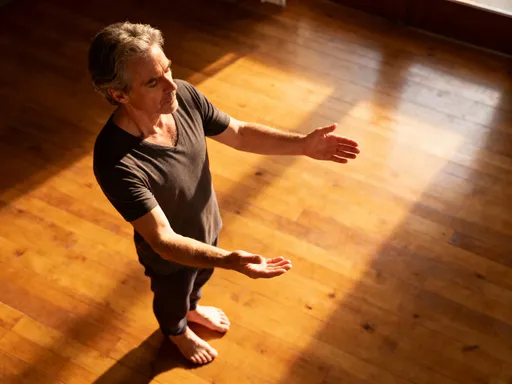
I used to believe that effective movement had to be intense—sweaty, heart-pounding, and time-consuming. But TCM introduced me to a different paradigm: gentle, rhythmic motion that supports qi flow without depleting it. I now incorporate short walks after meals, especially dinner, which TCM recommends to aid digestion and prevent stagnation. Even ten minutes of slow walking can make a difference in how I feel afterward. I also practice simple tai chi-inspired movements—flowing arm sweeps, weight shifts, and gentle turns—that I learned from a local community class. These movements are not about fitness; they’re about cultivating awareness and fluidity.
Why does slow movement matter? In TCM, stagnation is a root cause of many imbalances. When qi or blood doesn’t flow freely, discomfort, pain, or emotional heaviness can arise. Intense workouts, while beneficial for some, can sometimes aggravate existing imbalances, especially if the body is already fatigued or deficient. Gentle movement, on the other hand, encourages circulation without strain. It’s like tending to a garden with a soft spray rather than a high-pressure hose—effective, sustainable, and kind.
What’s more, I’ve learned that five minutes of mindful motion is more valuable than an hour of forced exercise. On days when I’m overwhelmed or low on energy, I don’t push myself. Instead, I might do a few seated stretches or simply stand and sway side to side. The goal isn’t to burn calories but to reconnect with my body and keep energy moving. This approach has made movement accessible and enjoyable, not a chore. Over time, these small practices have built resilience, improved joint mobility, and helped me feel more grounded.
Evening Wind-Down for Deeper Rest
Just as the morning sets the tone for the day, the evening shapes the quality of rest. I’ve created a screen-free window of at least one hour before bed, turning off phones, tablets, and the television. This practice helps calm the shen, which TCM associates with mental and emotional restlessness. Constant stimulation—especially from blue light—can overactivate the heart and mind, making it harder to fall asleep or stay asleep. Instead, I light a candle, read a book, or sip a cup of calming herbal tea like chamomile or passionflower.
Another cherished ritual is a warm foot soak. I fill a basin with water just above room temperature—never too hot—and sometimes add a handful of Epsom salts or a few drops of lavender oil. Soaking the feet helps draw qi downward, which supports relaxation and sleep. TCM also teaches that the feet contain numerous acupressure points linked to internal organs. While I don’t claim to be an expert, I gently massage the sole of each foot, focusing on the area just below the ball—the location of the yongquan point, said to nourish the kidneys and calm the spirit.
Consistency in sleep time is another key element. I aim to go to bed and wake up at roughly the same time every day, even on weekends. This regularity supports the body’s internal clock and allows organs to perform their restorative functions during their peak hours. For example, deep sleep between 11 p.m. and 1 a.m. supports the gallbladder’s role in decision-making and detoxification, while the liver’s cleansing work peaks between 1 a.m. and 3 a.m. When I honor these rhythms, I wake up feeling refreshed. When I don’t, the next day feels heavier. This simple cause-and-effect relationship has been one of the most powerful motivators for change.
Staying Consistent Without Perfection
Of course, life happens. There are evenings when I eat later than intended, mornings when I hit snooze instead of stretching, and days when I skip movement altogether. What’s changed is my response to these slip-ups. I no longer view them as failures but as information. TCM teaches that balance is not a fixed state but a dynamic practice—a constant process of adjustment. The goal isn’t perfection but awareness. When I eat something that doesn’t agree with me, I notice how my body responds. When I stay up late, I observe the impact on my energy the next day.
To support this awareness, I keep a simple journal. I don’t write every day, but when I feel off, I note my sleep, meals, movement, and mood. Over time, patterns emerge. I’ve noticed that cold foods on rainy days often lead to bloating, or that skipping my morning routine makes me more reactive to stress. These insights aren’t about self-criticism but about learning my body’s language. TCM views the body as a reflection of internal harmony—or disharmony—and symptoms are messengers, not enemies.
I’ve also learned to be kind to myself. Some days, “movement” means standing barefoot on the grass for two minutes. Some days, “eating with the seasons” means reheating last night’s soup instead of cooking something new. The essence of TCM is not rigidity but responsiveness. It’s about listening—truly listening—to what your body needs in the moment and responding with care. This mindset has reduced my anxiety and cultivated a deeper sense of self-trust.
Conclusion
Looking back, the most profound change hasn’t been a single symptom disappearing, but a shift in how I experience life. I have more resilience, better digestion, and a calmer mind. I’m less reactive, more present, and more in tune with my body’s rhythms. These changes didn’t come from drastic overhauls but from small, consistent choices—drinking warm water, walking after meals, sleeping at regular times—that add up over time. TCM didn’t give me a new life; it helped me reclaim the one I already had.
This journey isn’t about following rigid rules or achieving a perfect state of health. It’s about cultivating a relationship with your body—one built on listening, responding, and honoring natural rhythms. The principles of routine regularity, seasonal eating, and mindful movement are not quick fixes but lifelong practices. They require patience, presence, and a willingness to slow down.
It’s also important to emphasize that while daily TCM-inspired routines can support overall well-being, they are not a substitute for professional medical care. If you have health concerns, always consult a qualified healthcare provider. TCM is best used as a complementary approach, especially when guided by trained practitioners. The habits I’ve shared are simple, safe, and accessible, but they are not one-size-fits-all. Each person’s constitution and needs are different.
For women in their 30s, 40s, and beyond—many of whom carry the weight of family, work, and personal expectations—this approach offers a gentle path to renewal. You don’t need more to do; you need more to honor. Harmony isn’t far away. It’s built not in grand gestures, but in the quiet, regular choices that say, “I am worth caring for.” One day at a time, one rhythm at a time, balance is not only possible—it’s already within reach.