Why Women’s Wellness Fails — And What Actually Works
Women’s health isn’t just about diet and exercise — it’s about lifestyle choices that truly support long-term well-being. I used to chase quick fixes, only to feel burnt out and stuck. Sound familiar? Many of us fall into the same traps, thinking we’re doing enough when small but powerful habits are missing. This is a real talk on the overlooked pitfalls and the simple, science-backed shifts that make a real difference. True wellness isn’t found in extreme diets or punishing workouts. It’s built through consistent, compassionate choices that align with how our bodies and minds actually work. The good news? Lasting change doesn’t require perfection — just awareness and intention.
The Hidden Cost of "Busy" Culture
In today’s world, being busy has become a badge of honor, especially for women who often juggle multiple roles — as mothers, professionals, caregivers, and partners. Yet beneath the surface of productivity lies a growing health crisis fueled by chronic stress. When constant activity is praised and rest is seen as laziness, women pay a steep price. Research shows that prolonged stress elevates cortisol levels, which over time can disrupt hormonal balance, weaken the immune system, and increase the risk of conditions like insulin resistance and fatigue. For women, this imbalance can also affect menstrual regularity, fertility, and menopausal symptoms, making long-term wellness even harder to achieve.
What makes this cycle so dangerous is how normalized it feels. Many women don’t realize they’re operating in survival mode until burnout hits — marked by exhaustion, irritability, and difficulty concentrating. The body was not designed to stay in a constant state of alert. When stress becomes chronic, the nervous system remains activated, impairing digestion, sleep, and emotional regulation. This is why simply “trying harder” is not the answer. In fact, pushing through fatigue often worsens the problem. The real solution lies in redefining rest as a necessary, non-negotiable part of health — not a luxury or a sign of weakness.
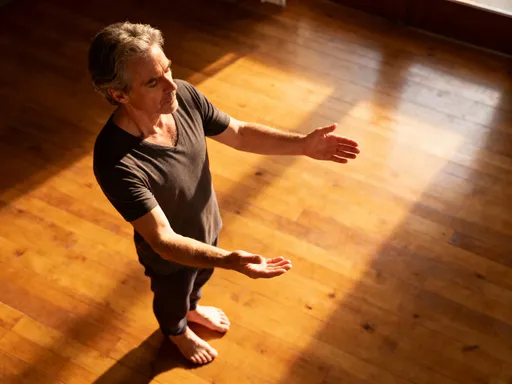
Intentional downtime is not the same as collapsing on the couch after a long day. It means carving out moments to truly recharge, whether through short walks in nature, mindful breathing, or simply sitting quietly with a cup of herbal tea. Even five to ten minutes of intentional pause can signal the body to shift from fight-or-flight mode to rest-and-digest. Scheduling these moments like appointments helps reinforce their importance. Practices such as setting digital boundaries — like turning off notifications after 8 p.m. — or establishing a “no work” rule during meals can create space for mental recovery. Over time, these small acts of self-care build resilience and protect long-term well-being.
Why Diets Don’t Stick — And What To Do Instead
The diet industry thrives on the promise of rapid results, but its track record for long-term success is dismal. Countless women have cycled through low-calorie plans, juice cleanses, or elimination diets, only to regain the weight — often with extra pounds added. This pattern, known as yo-yo dieting, does more than frustrate; it can harm metabolism. When the body experiences repeated cycles of restriction and overeating, it adapts by slowing down metabolic rate to conserve energy. This survival mechanism, once vital for human evolution, now works against modern efforts to maintain a healthy weight.
Beyond the physical effects, restrictive eating often triggers emotional consequences. Food deprivation can lead to obsessive thoughts about eating, mood swings, and episodes of bingeing. When certain foods are labeled “off-limits,” they become more desirable, setting up a psychological battle between willpower and craving. This all-or-nothing mindset undermines sustainable change. Instead of focusing on what to cut out, a more effective approach centers on what to add in — nutrient-dense foods that support energy, digestion, and hormonal balance. Shifting from restriction to nourishment changes the relationship with food from punishment to care.
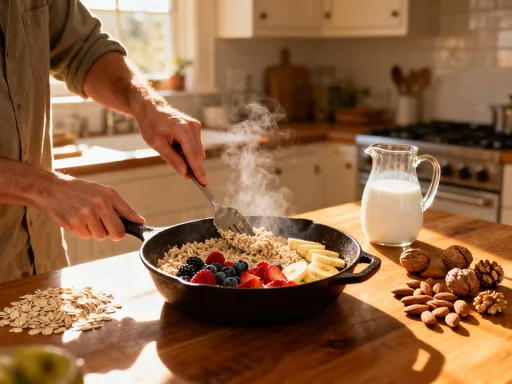
Sustainable eating is not about rigid rules but about consistency and balance. Simple food swaps can make a significant difference without requiring drastic changes. For example, choosing whole grains over refined carbohydrates helps stabilize blood sugar and reduces energy crashes. Replacing sugary snacks with protein-rich options like Greek yogurt or a handful of nuts supports satiety and prevents overeating later. Drinking water before meals can help distinguish true hunger from thirst, a common confusion that leads to unnecessary calorie intake. These adjustments are not about perfection but about progress.
Mindful eating is another powerful tool. This practice involves slowing down, chewing thoroughly, and paying attention to hunger and fullness cues. It encourages eating without distractions — no screens, no multitasking — allowing the brain to register satisfaction more accurately. Over time, this awareness helps prevent overeating and fosters a healthier connection to food. The goal is not to follow a specific plan but to develop habits that support lifelong health, one nourishing meal at a time.
Sleep: The Most Underrated Health Tool
Despite its critical role in physical and mental health, sleep is often the first sacrifice in a busy woman’s schedule. Many believe they can “catch up” on weekends or function well on less than six hours, but science tells a different story. Poor sleep affects nearly every system in the body, from mood regulation to immune function. In women, sleep disturbances are particularly common due to hormonal fluctuations during the menstrual cycle, pregnancy, and menopause. Yet even outside these phases, lifestyle factors like screen exposure, caffeine consumption, and stress significantly disrupt sleep quality.
One of the most common disruptors is blue light emitted by phones, tablets, and computers. This light suppresses melatonin, the hormone responsible for signaling sleep, making it harder to fall asleep even when physically tired. Using devices late into the evening can delay sleep onset and reduce deep sleep stages, leaving women feeling unrested despite spending enough time in bed. Similarly, consuming caffeine too late in the day — even in the form of tea or chocolate — can interfere with sleep for up to ten hours, depending on individual sensitivity.
Improving sleep hygiene doesn’t require drastic changes but consistent, small adjustments. Establishing a wind-down routine signals the body that it’s time to rest. This might include dimming the lights, reading a physical book, or practicing gentle stretching. Keeping the bedroom cool, dark, and quiet enhances sleep quality. Removing electronic devices from the bedroom eliminates temptation and reduces exposure to sleep-disrupting light and noise. For those who struggle with racing thoughts, writing down worries or to-do lists before bed can help clear the mind.
The benefits of quality sleep extend far beyond feeling rested. It supports weight management by regulating hunger hormones like ghrelin and leptin. It strengthens the immune system, reducing susceptibility to illness. It improves focus, memory, and emotional resilience. When sleep is prioritized, other healthy habits become easier to maintain. Rather than viewing it as lost time, women should see sleep as a powerful investment in their overall well-being — one that pays dividends every day.
Movement That Fits Real Life — Not the Gym Ideal
The image of fitness often revolves around intense gym sessions, structured classes, or high-performance workouts. While these can be beneficial for some, they don’t reflect the reality of most women’s lives. Between family responsibilities, work demands, and personal commitments, finding time for a one-hour workout can feel impossible. The pressure to meet this ideal often leads to guilt or giving up altogether. But movement doesn’t have to be formal or exhausting to be effective. In fact, consistent, moderate activity throughout the day can have a greater long-term impact than sporadic intense sessions.
Everyday movement — walking, climbing stairs, gardening, or dancing while cooking — keeps the body active and supports circulation, joint health, and metabolic function. These activities may seem minor, but their cumulative effect is significant. A study published in the journal *Medicine & Science in Sports & Exercise* found that women who incorporated more daily movement, even in short bursts, had better cardiovascular health and lower body fat percentages than those who relied solely on scheduled workouts. The key is consistency, not intensity.
Flexible routines that adapt to energy levels and schedules are more sustainable. On high-energy days, a brisk 30-minute walk or bodyweight routine may feel great. On low-energy days, gentle stretching or a five-minute breathing exercise still counts. The goal is to stay connected to the body, not to punish it. Listening to physical cues — such as fatigue, joint pain, or mood — helps prevent burnout and injury. Movement should feel like a gift, not an obligation.
Creating opportunities for activity within daily life makes it easier to maintain. Parking farther from store entrances, taking walking meetings, or playing active games with children are simple ways to increase steps without adding extra time. The message is clear: fitness isn’t about fitting into a mold. It’s about finding joy in movement and making it a natural part of life, not a chore to check off a list.
Emotional Health as Physical Health
Emotional well-being is not separate from physical health — it is deeply intertwined. Chronic stress, unresolved emotions, and suppressed feelings can manifest in physical symptoms such as headaches, digestive issues, muscle tension, and fatigue. The gut-brain axis, a bidirectional communication system between the digestive tract and the central nervous system, explains why emotional distress often shows up as stomach discomfort or irritable bowel symptoms. Similarly, prolonged anxiety can elevate heart rate and blood pressure, increasing strain on the cardiovascular system.
Women are often socialized to prioritize others’ needs over their own, leading to a pattern of emotional suppression. Saying “I’m fine” when feeling overwhelmed may maintain peace in the short term but takes a toll over time. Unprocessed emotions don’t disappear — they accumulate, contributing to chronic inflammation and hormonal imbalances. Recognizing this connection is the first step toward holistic healing. Emotional regulation is not about eliminating difficult feelings but learning to acknowledge and process them in healthy ways.
Simple tools can support emotional balance. Journaling, for example, provides a safe space to express thoughts and identify recurring patterns. Writing for just ten minutes a day can reduce stress and improve clarity. Breathwork — such as diaphragmatic breathing or box breathing — activates the parasympathetic nervous system, helping the body return to a state of calm. Setting boundaries, whether by saying no to extra commitments or limiting time with draining people, protects emotional energy and prevents resentment.
These practices are not indulgences; they are essential components of health. Just as the body needs nutritious food and rest, the mind needs space to process, reflect, and recover. When emotional health is nurtured, physical symptoms often improve naturally. Women who prioritize both internal and external well-being report higher energy, better sleep, and greater resilience in facing life’s challenges.
The Social Trap: Comparing Yourself to Others
Social media has reshaped how women perceive health and beauty, often promoting unrealistic standards through curated images and highlight reels. Scrolling through feeds filled with perfect bodies, flawless skin, and seemingly effortless routines can lead to comparison and self-doubt. The problem is not aspiration — it’s the distortion of reality. Many of these images are edited, staged, or represent only a fraction of someone’s life. Yet repeated exposure conditions the mind to equate worth with appearance or productivity, creating a cycle of inadequacy.
This constant comparison doesn’t just affect self-esteem — it influences behavior. Women may adopt extreme diets, over-exercise, or pursue unproven supplements in an attempt to match these ideals. The result is often disappointment, guilt, and a fractured relationship with their own bodies. Research shows that frequent social media use correlates with higher rates of anxiety, body dissatisfaction, and disordered eating, especially among women over 30 who may already face age-related changes.
Breaking free from this trap requires a shift in focus — from external validation to internal values. Instead of asking, “Do I look like her?” a more empowering question is, “Do I feel strong, energized, and at peace?” Defining health on personal terms allows for a more authentic and sustainable approach. This might mean valuing energy over weight, strength over size, or calm over busyness.
Curating a healthier media environment is another practical step. Unfollowing accounts that trigger comparison and following those that promote body neutrality, realistic aging, and holistic wellness can reshape perception over time. Engaging in offline activities — such as reading, volunteering, or spending time in nature — reduces screen time and fosters a deeper connection to real-life experiences. When women stop measuring themselves against impossible standards, they create space to honor their unique journey.
Building a Lifestyle That Lasts
Sustainable wellness isn’t about dramatic transformations or short-term fixes. It’s about creating a lifestyle that supports long-term health without sacrificing joy or balance. The most effective changes are small, consistent, and personalized. Rather than aiming for perfection, women should focus on progress — showing up for themselves in ways that feel manageable and meaningful. This might mean drinking more water, taking five deep breaths when stressed, or choosing a walk over scrolling before bed. Over time, these micro-habits compound into lasting results.
Personalization is key. What works for one woman may not work for another. A mother of three may need different strategies than a single professional or a woman caring for aging parents. Listening to the body, honoring energy levels, and adjusting routines as life changes ensures that wellness remains flexible and realistic. There is no one-size-fits-all solution — only what fits *your* life.
Professional guidance can also play a vital role. Registered dietitians, therapists, and primary care providers offer evidence-based support tailored to individual needs. Whether addressing hormonal imbalances, emotional health, or chronic conditions, expert input helps avoid misinformation and ensures safety. Seeking help is not a sign of failure — it’s an act of self-respect.
Finally, celebrating small wins reinforces motivation. Did you choose a nourishing meal? That counts. Did you set a boundary or get seven hours of sleep? That matters. Recognizing these moments builds confidence and strengthens commitment. True wellness is not a destination — it’s a daily practice of showing up for yourself with kindness, consistency, and care. By avoiding common pitfalls and embracing what truly works, women can build health that lasts a lifetime.