Why I Finally Made Bone Health a Daily Habit (And You Should Too)
We often take our bones for granted—until something goes wrong. I didn’t think about bone health until I noticed small aches becoming harder to ignore. Turns out, strong bones aren’t just about calcium; they’re built through consistent, simple habits. This isn’t a medical fix, but a real-life approach I’ve tested. Let’s explore how everyday choices can protect your skeleton long-term—because prevention starts way before pain does.
The Silent Threat: Why Bone Health Matters More Than You Think
Bone health operates in silence. Unlike a sore throat or a sprained ankle, bones rarely send warning signals until significant damage has occurred. This quiet progression is what makes bone degradation so dangerous. Many people assume that bone issues only affect the elderly, but the truth is that the foundation for lifelong skeletal strength is laid decades earlier. By the time symptoms like persistent back pain, reduced height, or frequent fractures appear, the condition may already be advanced. These are often signs of osteopenia or osteoporosis—conditions characterized by weakened bone density and increased fracture risk.
One of the most common misconceptions is that bone health is solely a concern for older women. While postmenopausal women are at higher risk due to hormonal changes, men and younger adults are not immune. In fact, nearly 2 million men in the United States have osteoporosis, and millions more have low bone mass. The reality is that bone loss does not discriminate by gender or age. It creeps in gradually, often unnoticed, until a minor fall results in a hip fracture or a simple twist leads to a vertebral collapse. These injuries can dramatically reduce mobility and independence, turning everyday activities like walking, climbing stairs, or even standing into painful challenges.
The impact of poor bone health extends beyond physical discomfort. It affects quality of life, confidence, and emotional well-being. A person who once enjoyed gardening, traveling, or playing with grandchildren may find these activities limited by fear of falling or actual physical limitations. The loss of autonomy can lead to social isolation and decreased mental resilience. Preventing such outcomes isn’t about reacting to crisis—it’s about recognizing that bone health is a long-term investment. Just as saving money early builds financial security, building strong bones early creates a reserve that supports mobility and vitality in later years.
What Happens to Your Bones as You Age? (And Why It Starts Early)
Bones are living tissues that constantly renew themselves through a process called bone remodeling. This cycle involves the removal of old bone (resorption) and the formation of new bone (formation). During childhood and adolescence, bone formation outpaces resorption, leading to growth and increased density. Peak bone mass—the maximum strength and density your bones will ever achieve—is typically reached around age 30. After that, the balance begins to shift. Resorption starts to exceed formation, resulting in a gradual decline in bone mass.
This shift begins much earlier than most people realize. While visible signs of bone loss may not appear until later in life, the process starts in adulthood. By the time a woman reaches menopause, she may have already lost up to 10% of her bone mass. Men experience a slower decline, but they are not exempt. After age 50, both men and women lose bone at an average rate of about 1% per year. For some, this rate accelerates due to hormonal changes, chronic illness, or lifestyle factors. The earlier the decline begins, the greater the risk of developing osteoporosis later on.
What makes this timeline so critical is that peak bone mass is heavily influenced by lifestyle choices made during youth and early adulthood. Nutrition, physical activity, and overall health habits during these formative years determine how strong the skeletal foundation will be. A teenager who consumes adequate calcium, gets regular exercise, and avoids smoking and excessive alcohol is more likely to reach a higher peak bone mass. That advantage translates into a stronger buffer against age-related bone loss decades later. Conversely, poor habits during these years can leave the skeleton vulnerable, even if healthier choices are adopted later.
The message is clear: bone health is not something to start thinking about at 60. It’s a lifelong process that benefits from early attention. The habits you form today—what you eat, how you move, how you care for your body—shape the strength of your skeleton tomorrow. Waiting until symptoms appear means playing catch-up in a game where time is not on your side. Building bone resilience is like planting a tree; the best time was years ago, but the second-best time is now.
The Calcium Myth: It’s Not the Only Piece of the Puzzle
For decades, calcium has been hailed as the cornerstone of bone health. Milk commercials, supplement labels, and public health campaigns have reinforced the idea that more calcium equals stronger bones. While calcium is undeniably important—it’s the primary mineral in bone tissue—focusing on it alone creates an incomplete and potentially misleading picture. In reality, calcium cannot do its job without the support of other key nutrients. Without proper balance, even high calcium intake may have limited benefit or, in some cases, unintended consequences.
Vitamin D is perhaps the most crucial partner to calcium. It enables the intestines to absorb calcium from food and helps maintain adequate blood levels for bone formation. Without sufficient vitamin D, only 10–15% of dietary calcium is absorbed. This is why many people who consume plenty of dairy still face bone density issues—especially in regions with limited sunlight or among those who spend most of their time indoors. Vitamin K, particularly K2, plays a lesser-known but equally vital role. It activates proteins that direct calcium to the bones and teeth while preventing it from depositing in arteries and soft tissues, reducing the risk of vascular calcification.
Magnesium is another essential player. It supports the conversion of vitamin D into its active form and helps regulate calcium transport. About 60% of the body’s magnesium is stored in bones, where it contributes to bone crystal structure. Low magnesium levels have been linked to decreased bone density and increased fracture risk. Other nutrients like phosphorus, zinc, and protein also contribute to bone integrity. The key is not to overconsume any single nutrient, but to maintain a balanced intake that supports overall bone metabolism.
Moreover, the source and form of these nutrients matter. Whole foods generally provide better absorption and synergy than isolated supplements. For example, leafy greens offer calcium along with magnesium and vitamin K, while fatty fish provide both vitamin D and omega-3 fatty acids, which help reduce inflammation that can accelerate bone loss. High-dose calcium supplements, especially without co-factors, have been associated with increased risk of kidney stones and cardiovascular issues in some studies. This underscores the importance of a food-first approach, where nutrients are consumed in natural proportions. Bone health is not about hitting a single nutrient target—it’s about nurturing a complex biological system through balanced, consistent nourishment.
Move It or Lose It: How Exercise Actually Builds Stronger Bones
Just as muscles grow stronger with resistance, bones respond to mechanical stress by becoming denser and more resilient. This principle, known as Wolff’s Law, explains how physical activity stimulates bone remodeling. When bones are subjected to impact or load, they adapt by increasing mineral density in the areas under stress. This means that regular, weight-bearing exercise is one of the most effective ways to maintain and even improve bone strength at any age. Unlike passive interventions, movement actively signals the body to invest in skeletal health.
Weight-bearing exercises—those where your bones and muscles work against gravity—are particularly effective. Walking, jogging, dancing, stair climbing, and hiking all qualify. These activities force the legs, hips, and spine to bear weight, triggering bone-forming cells called osteoblasts to deposit new mineral tissue. Resistance training, including lifting weights, using resistance bands, or doing bodyweight exercises like squats and push-ups, adds another layer of benefit. It not only strengthens bones but also builds the surrounding muscles, which improves balance and reduces fall risk—a critical factor in preventing fractures.
The good news is that intensity is less important than consistency. You don’t need to run marathons or lift heavy weights to see benefits. Studies show that even moderate activity, performed regularly, can make a meaningful difference. For example, walking 30 minutes a day, five days a week, has been associated with higher bone density in the hip and spine. The key is to make movement a routine part of daily life. Parking farther from store entrances, taking the stairs instead of the elevator, or doing a short home workout during commercial breaks are small changes that add up over time.
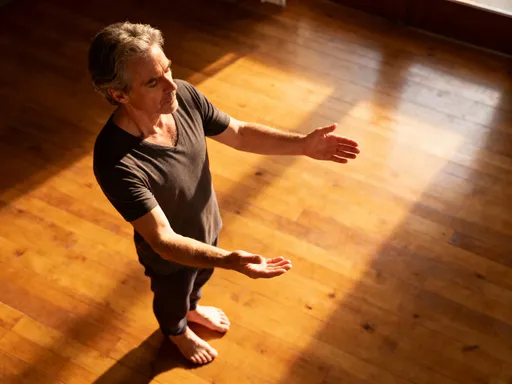
For women over 40, incorporating strength training two to three times per week can be especially impactful. As estrogen levels decline, bone turnover accelerates, making it harder to maintain density. Resistance exercise helps counteract this by providing the mechanical stimulus bones need to stay strong. It’s also important to include balance and posture exercises, such as tai chi or yoga, which reduce the likelihood of falls. The goal is not athletic performance but functional strength—the kind that keeps you steady on icy sidewalks, allows you to carry groceries without strain, and supports an active, independent lifestyle for years to come.
Daily Habits That Secretly Harm Your Bones
While much attention is given to what we should do for bone health, less is said about what we should avoid. Certain everyday habits, often considered harmless, can quietly undermine skeletal strength over time. Excessive salt intake is one such culprit. High sodium levels increase calcium excretion through the kidneys, effectively leaching calcium from the bones. The average adult consumes far more salt than recommended, often from processed foods like canned soups, frozen meals, and packaged snacks. Reducing reliance on these convenience items and choosing fresh, whole foods can significantly lower sodium intake and protect bone reserves.
Alcohol consumption is another factor that affects bone metabolism. While an occasional glass of wine is unlikely to cause harm, regular heavy drinking interferes with the body’s ability to absorb calcium and produce new bone. Alcohol suppresses osteoblast activity, disrupts hormone levels, and increases the risk of falls due to impaired balance and coordination. For women, consuming more than one drink per day on average has been linked to lower bone density. Moderation is key—limiting alcohol to one drink or less per day can help preserve both bone and overall health.
A sedentary lifestyle poses one of the greatest threats to bone integrity. Sitting for long periods sends a signal to the body that bones don’t need to be strong, leading to accelerated mineral loss. Even people who exercise regularly can fall into this trap if they spend most of their day seated. Prolonged inactivity also contributes to muscle weakness and poor circulation, both of which negatively affect bone health. Breaking up long sitting sessions with short walks or standing stretches can mitigate some of this risk.
Other hidden dangers include chronic inflammation and poor sleep. Conditions like rheumatoid arthritis or long-term use of corticosteroid medications increase inflammatory markers that speed up bone resorption. Even lifestyle-related inflammation—from a diet high in sugar and processed fats—can have a cumulative effect. Sleep, often overlooked, plays a role in hormone regulation and tissue repair. Disrupted or insufficient sleep has been associated with lower bone mineral density, likely due to imbalances in cortisol and growth hormone. Addressing these factors—through anti-inflammatory eating, stress management, and consistent sleep routines—supports not only bones but overall well-being.
Easy, Science-Backed Ways to Support Your Skeleton Every Day
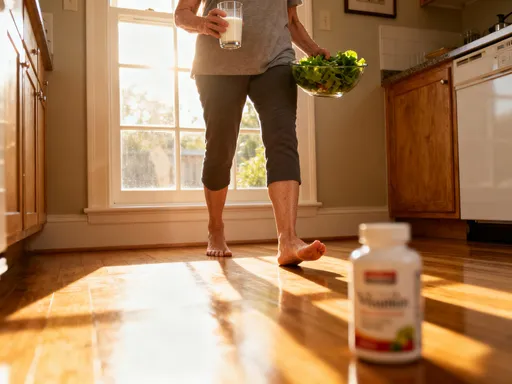
Protecting your bones doesn’t require drastic lifestyle changes or expensive treatments. Small, sustainable habits, practiced consistently, yield the greatest long-term benefits. One of the simplest and most effective actions is getting regular sunlight exposure. Just 10 to 15 minutes of midday sun on the face, arms, or hands, several times a week, can help the body produce sufficient vitamin D—especially during spring and summer months. In winter or for those with limited sun access, a vitamin D supplement, as recommended by a healthcare provider, can fill the gap.
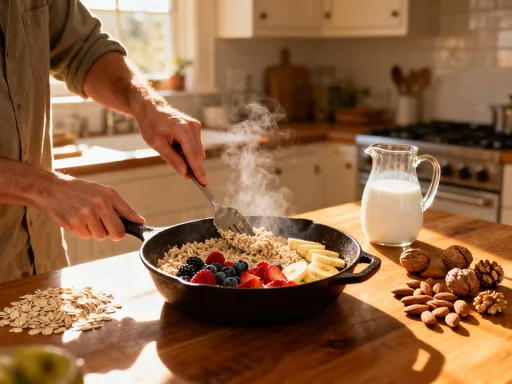
Nutrition plays a central role. A balanced diet rich in vegetables, fruits, lean proteins, whole grains, and healthy fats naturally provides the nutrients bones need. Dark leafy greens like kale and collard greens are excellent sources of calcium and vitamin K. Fatty fish such as salmon and mackerel offer vitamin D and omega-3s. Nuts, seeds, and legumes provide magnesium and plant-based protein. Dairy remains a convenient source of calcium and vitamin D for those who tolerate it, but it’s not the only option. Fortified plant milks, tofu, and certain mineral waters also contribute to daily intake.
Hydration is another often-overlooked factor. Water supports cellular function, nutrient transport, and joint lubrication—all of which contribute to musculoskeletal health. Dehydration can lead to fatigue, reduced physical performance, and even impaired recovery after activity. Drinking adequate water throughout the day—about eight 8-ounce glasses, adjusted for activity and climate—helps maintain optimal bodily function.
Behavioral changes don’t need to be overwhelming. Swapping soda for sparkling water with lemon reduces both sugar and phosphoric acid, which can interfere with calcium absorption. Choosing a standing desk or taking walking meetings increases daily movement. Preparing meals at home gives greater control over ingredients, reducing sodium and processed additives. These small shifts, when repeated daily, create a protective environment for bones. The power lies not in perfection, but in persistence. Over time, these habits become automatic, forming a foundation of strength that supports every stage of life.
When to Seek Help: Listening to Your Body Before It’s Too Late
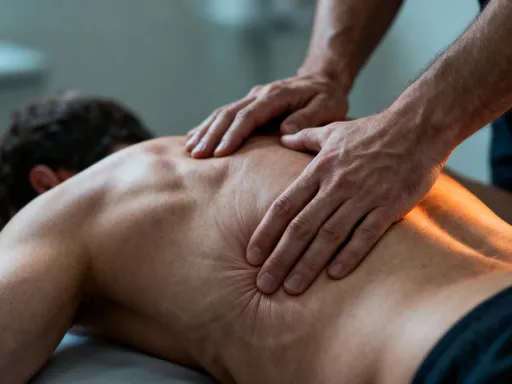
No amount of self-care replaces professional medical guidance. While daily habits are essential for prevention, they are not a substitute for clinical evaluation when concerns arise. Certain signs should prompt a conversation with a healthcare provider. Persistent back pain, especially if it worsens with activity or occurs at rest, may indicate spinal fractures. A noticeable loss of height over time—more than an inch—can signal vertebral compression. Frequent fractures from minor incidents, such as stepping off a curb or bending over, are red flags for low bone density.
Women who have gone through menopause, individuals with a family history of osteoporosis, and those who have taken corticosteroids for more than three months are at higher risk and should discuss bone screening with their doctor. A dual-energy X-ray absorptiometry (DXA) scan is the standard test for measuring bone mineral density. It’s painless, quick, and can detect bone loss before fractures occur. Early detection allows for timely interventions, whether through lifestyle adjustments, medication, or a combination of both.
It’s also important to review medications and health conditions that may affect bone health. Some drugs used for acid reflux, seizures, or hormonal imbalances can interfere with bone metabolism. Chronic conditions like celiac disease, inflammatory bowel disease, or type 1 diabetes increase the risk of poor nutrient absorption and bone loss. A comprehensive health assessment helps identify these factors and create a personalized plan.
Seeking help is not a sign of failure—it’s an act of responsibility. Regular check-ups, open communication with healthcare providers, and proactive screening empower individuals to take control of their skeletal health. Prevention is always more effective than recovery, and the earlier you start, the better your chances of maintaining strength, mobility, and independence well into the future.
Bone health isn’t about quick fixes—it’s a lifelong commitment built through quiet, consistent choices. By understanding how bones work and adjusting daily habits, anyone can reduce the risk of future problems. This isn’t fear-mongering; it’s empowerment. The best time to start protecting your skeleton was years ago—the second-best time is today.