How Massage Therapy Transformed My Recovery—And the Moves That Made It Stick
Recovering from injury used to feel like a dead end—until I discovered how massage therapy, paired with smart exercise techniques, can unlock real progress. This isn’t magic, just science-backed movement and bodywork working together. I felt changes within weeks. Soreness dropped, flexibility climbed, and daily life got easier. If you're stuck in rehab limbo, what if the missing piece isn’t more pain, but better release? For many women in their 30s to 50s managing household demands, work responsibilities, and personal health, recovery often takes a backseat—until pain becomes unavoidable. Yet, the solution may not lie in pushing harder through discomfort, but in learning how to release it strategically. This journey isn’t about quick fixes; it’s about building a sustainable path to mobility, strength, and lasting comfort.
The Rehab Wall: When Exercise Alone Isn’t Enough
Many people begin rehabilitation with hope—following prescribed exercises, attending physical therapy sessions, and doing their best to stay consistent. Yet, over time, progress stalls. Movements that once felt easier stop improving. Pain returns even after rest. This plateau, commonly known as the “rehab wall,” is not a sign of failure, but a signal that the body needs more than repetition. Traditional exercise strengthens and stabilizes, but it doesn’t always address the underlying soft tissue restrictions that limit movement. Muscles become guarded due to past injury or overuse, forming tight bands that restrict joint motion and alter biomechanics. Scar tissue from previous strains or surgeries can also bind layers of muscle and fascia, reducing elasticity and increasing discomfort during activity.
Beyond physical changes, the nervous system plays a crucial role in this stagnation. When pain has been present for weeks or months, the brain begins to treat certain movements as threats. This heightened sensitivity—known as central sensitization—can cause muscles to tense involuntarily, even when there’s no actual danger. As a result, stretching feels ineffective and strengthening exercises may trigger flare-ups instead of improvement. This cycle leads to frustration, especially for women who are used to managing multiple roles with resilience and determination. The emotional toll of feeling “stuck” can be as heavy as the physical discomfort. You’ve done everything right—why isn’t it working?
The answer often lies in what’s happening beneath the surface. While movement is essential, it cannot fully overcome tightness that resists lengthening. This is where targeted bodywork becomes a vital partner in recovery. Rather than replacing exercise, massage therapy addresses the barriers that make exercise less effective. By releasing tension in specific muscle groups and calming nervous system responses, it prepares the body to respond more positively to movement. It’s not about avoiding effort, but about making effort more efficient. When soft tissues are less restricted, each stretch goes deeper, each strengthening movement becomes more precise, and the path forward feels less like a battle and more like progress.
How Massage Therapy Works: More Than Just a Relaxing Rub-Down
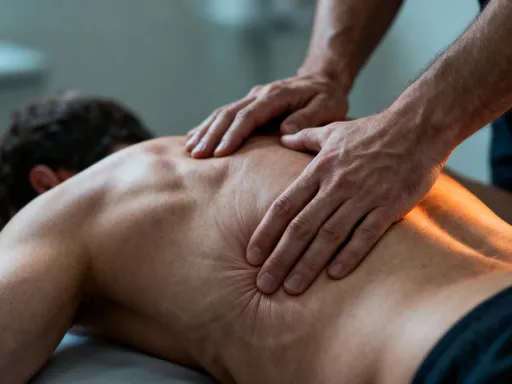
Massage therapy is often misunderstood as a luxury—a way to unwind after a long week, not a clinical tool for recovery. But when applied with intention and anatomical knowledge, it becomes a powerful component of rehabilitative care. Unlike spa-style massage, which focuses on general relaxation, therapeutic massage targets specific tissues involved in pain and dysfunction. The hands of a skilled practitioner can detect areas of abnormal tension, adhesions, and asymmetry, then apply precise pressure and movement to restore balance. The effects are not just temporary relief—they are physiological changes that support long-term healing.
One of the most immediate benefits is increased blood flow to treated areas. Enhanced circulation delivers oxygen and nutrients while removing metabolic waste products like lactic acid, which accumulate during strain or inactivity. This process reduces inflammation and accelerates tissue repair. At the same time, manual pressure helps reduce excessive muscle tone—the constant low-level contraction that keeps muscles tight even at rest. This reduction allows muscles to return to their natural resting length, improving joint alignment and decreasing strain on tendons and ligaments.
Equally important is the impact on the nervous system. Sustained, rhythmic pressure activates the parasympathetic nervous system, promoting a state of calm that counteracts the fight-or-flight response often triggered by chronic pain. This modulation helps break the cycle of muscle guarding, where pain causes tension, which in turn causes more pain. Over time, regular sessions can retrain the nervous system to interpret movement as safe rather than threatening. This shift is essential for lasting recovery, especially in cases of long-standing discomfort or recurring injuries.
Different techniques serve different purposes. Myofascial release focuses on the connective tissue surrounding muscles, gently stretching and softening restrictions that limit motion. Deep tissue work addresses deeper muscle layers and chronic tension, though it should never cause sharp pain. Trigger point therapy targets hyperirritable spots within muscle fibers that refer pain to other areas—common culprits behind headaches, shoulder discomfort, or hip tightness. While these methods vary in approach, they share a common goal: restoring optimal function to the musculoskeletal system. The benefits are cumulative, meaning consistency matters more than intensity. A single session may offer relief, but repeated treatments create lasting change, especially when combined with appropriate movement.
The Synergy Effect: Why Massage Boosts Exercise Outcomes
Imagine trying to plant seeds in hard, compacted soil. No matter how carefully you sow them, growth will be stunted because the roots cannot penetrate. Now imagine tilling that soil first—loosening it, aerating it, preparing it for new life. This is the synergy between massage therapy and exercise. Massage prepares the body’s “soil” by releasing tightness and improving tissue quality, allowing exercise to take deeper root and produce better results. Without this preparation, even the most well-designed program may fail to deliver meaningful change.
When muscles are relaxed and pliable, they respond more effectively to stretching. A hamstring that resists lengthening due to fascial binding may finally yield after targeted myofascial work. Similarly, a shoulder that lacks full range of motion because of tight rotator cuff muscles can achieve greater mobility once those tissues are released. This improved flexibility isn’t just about touching your toes—it’s about enabling safer, more efficient movement patterns in daily life. Whether lifting groceries, reaching for high shelves, or playing with children, having access to full joint motion reduces strain and prevents compensatory movements that lead to further injury.
Strength training also benefits from this priming effect. Muscles that are chronically tight often have imbalanced activation—some fibers are overworked while others remain dormant. After massage, neuromuscular communication improves, allowing for more coordinated muscle firing. This means exercises like squats, lunges, or core stabilization drills become more effective because the right muscles are engaging at the right time. The risk of strain decreases because movements are performed with better control and alignment. Additionally, post-massage sessions often leave individuals feeling more body-aware, making it easier to notice and correct poor posture or movement habits.
It’s important to note that some discomfort during or after massage is normal, especially when addressing long-standing tension. However, pain should never be severe or sharp. True therapeutic work stays within a tolerable range—often described as “good pain”—and should not leave you sore for days. If it does, the intensity may have been too high, or the technique mismatched to your current condition. The goal is not to endure suffering, but to facilitate healing. When paired thoughtfully with movement, massage creates a feedback loop: release enables better motion, and better motion sustains the gains from release.
Key Exercise Techniques That Pair Perfectly with Massage
The window immediately following a massage session is a unique opportunity to reinforce improvements. Tissues are warmer, more pliable, and neurologically calmer—ideal conditions for introducing new movement patterns. This is not the time for high-intensity workouts, but for gentle, intentional mobility drills that help the body integrate the changes. These exercises enhance joint lubrication, improve neuromuscular coordination, and encourage fascial glide—the smooth sliding of connective tissue layers over one another. Done consistently, they extend the benefits of massage far beyond the treatment room.
One foundational movement is the cat-cow stretch, performed on hands and knees. This rhythmic alternation between spinal flexion and extension increases fluid exchange in the vertebral discs, nourishing the spine and improving segmental motion. It also promotes coordination between the breath and core muscles, enhancing overall body awareness. For best results, move slowly and deliberately, focusing on feeling each vertebra participate in the motion. This drill is particularly helpful for those with stiffness in the mid or lower back, a common complaint among women who spend long hours seated or engaged in repetitive tasks.
Another effective technique involves banded hip distractions. Using a resistance band anchored around the thigh near the hip joint, gentle traction is applied to create space within the joint capsule. This can alleviate compression-related discomfort and improve hip mobility, which is essential for walking, bending, and maintaining balance. As the joint opens slightly, supporting muscles such as the glutes and deep hip rotators can activate more efficiently. This exercise should feel like a mild stretch or pressure, never sharp pain, and should be held for 30 to 60 seconds per side.
Foam rolling, when used appropriately, complements massage by maintaining tissue quality between sessions. Focusing on large muscle groups like the quadriceps, hamstrings, or calves, slow rolling helps prevent the reformation of adhesions and keeps blood flow elevated. The key is to move slowly—about one inch per second—and pause briefly on tender spots to allow the muscle to relax. Unlike aggressive rolling that causes bracing, gentle self-myofascial release supports recovery without triggering protective tension. Pairing this with dynamic stretching—such as leg swings or arm circles—further primes the body for functional movement.
Building a Routine: Timing, Frequency, and Listening to Your Body
Creating a sustainable recovery routine requires thoughtful planning. A well-structured approach balances professional care with daily self-management. For most individuals, one massage therapy session per week or every other week provides enough stimulus to make lasting changes, especially when paired with regular movement practice. The ideal time to engage in mobility work is within a few hours after a massage, when tissues remain responsive. Even 10 to 15 minutes of focused exercise can lock in improvements and signal the nervous system that new ranges of motion are safe to use.
A sample weekly structure might include a massage session on Tuesday, followed by light mobility drills that evening and again the next morning. Wednesday and Thursday could feature gentle strength training or walking, while Friday includes another round of self-care such as foam rolling or stretching. The weekend allows for rest or low-impact activity like swimming or yoga. This rhythm prevents overload while maintaining momentum. The goal is not to do more, but to do enough consistently to signal the body that change is both possible and sustainable.
Equally important is learning to read your body’s signals. Mild tenderness or fatigue after a session is normal, but persistent soreness, increased pain, or general exhaustion suggests overdoing it. These signs indicate the need to scale back intensity or frequency. Recovery is not linear, and setbacks are part of the process. What matters is how you respond—not with frustration, but with patience and adjustment. Tracking progress through function rather than pain levels offers a clearer picture of improvement. Can you bend deeper? Walk farther? Stand taller? These measurable changes reflect real gains.
Consistency, not intensity, drives long-term success. It’s easy to fall into the trap of believing that harder is better, especially in a culture that values productivity and perseverance. But true resilience comes from balance—knowing when to push and when to pause. Women in their 30s to 50s often carry invisible loads—emotional, mental, physical—and adding another demanding regimen can backfire. Instead, framing recovery as self-care, not another chore, shifts the mindset from obligation to empowerment. Each small action becomes an act of honoring your body’s needs.
When to Seek Professionals—and When to Pause
While self-management plays a vital role, professional guidance ensures safety and effectiveness. Licensed massage therapists, physical therapists, and certified trainers bring expertise that self-help cannot replace. A qualified therapist can identify the source of discomfort, tailor techniques to your condition, and adjust pressure based on tissue response. They can also recognize when symptoms fall outside their scope and refer you to a medical provider. Choosing a practitioner with training in orthopedic or rehabilitative massage increases the likelihood of meaningful outcomes.
There are clear red flags that warrant pausing any new routine and seeking medical evaluation. Sharp, shooting pain—especially if it radiates down an arm or leg—could indicate nerve involvement. Numbness, tingling, or muscle weakness should never be ignored, as they may signal underlying neurological or structural issues. Swelling, redness, or warmth in a joint suggests inflammation that requires diagnosis. Similarly, unexplained weight loss, fever, or night pain are systemic signs that go beyond musculoskeletal strain and demand further investigation.
It’s also important to understand the limits of self-treatment. While foam rolling, stretching, and mobility drills are beneficial, they cannot resolve deep tissue pathology or correct biomechanical imbalances alone. This approach works best as part of a collaborative care plan. Communicating with your healthcare team—whether a primary care doctor, physiotherapist, or chiropractor—ensures that all aspects of your health are considered. There is no conflict between clinical care and complementary therapies; when integrated thoughtfully, they enhance each other.
Finally, know when to rest. Life events—stress, illness, lack of sleep—can lower your body’s tolerance for physical intervention. During these times, even mild massage or exercise may provoke flare-ups. Honoring these moments with rest is not failure, but wisdom. Recovery is not a race against time, but a practice of listening, adjusting, and responding with kindness. The ability to pause when needed is itself a sign of strength.
Long-Term Gains: From Recovery to Resilience
The ultimate goal of rehabilitation is not merely to return to where you were before injury, but to build a stronger, more resilient body than before. This shift—from reactive healing to proactive maintenance—transforms recovery into a lifelong commitment to movement health. Regular massage therapy, combined with intelligent exercise, creates a foundation for sustained well-being. Over months and years, the benefits accumulate: posture improves, movements become effortless, and episodes of pain grow fewer and farther between.
Observable changes often begin subtly. You may notice you no longer reach for pain relievers after gardening. You might find yourself playing with grandchildren without stiffness the next day. Standing in the kitchen for long periods no longer leaves your lower back aching. These small victories, though quiet, are profound. They represent freedom—the ability to engage fully in life without being held back by physical limitations.
Beyond physical improvements, there is a psychological shift. The constant vigilance around pain gives way to confidence in your body’s capabilities. You learn to trust movement again. This renewed relationship with your body fosters a sense of agency and peace. For women who have spent years prioritizing others, this reconnection can be deeply healing. It’s not vanity or performance—it’s dignity, comfort, and presence.
Recovery is not a destination, but a practice. It requires patience, consistency, and compassion. There will be days when progress feels slow, when old habits return, or when life gets in the way. But each choice—to schedule a session, to do a few mindful stretches, to rest when needed—adds up. Over time, these choices shape not just how you move, but how you live. The journey isn’t about perfection. It’s about showing up, again and again, for the body that carries you through life. And that, more than any single technique, is what makes the difference.